LIVE REVIEW · 28 OCTOBER 2026
James Blake at O2 Academy Bristol: silence, sub-bass and a little chaos
O2 Academy Bristol · Wednesday 28 October 2026 · Support: Monica Martin
Monica Martin’s warm opening set gave way to a James Blake show that moved between exposed piano, vivid stage lighting and bass that shook O2 Academy Bristol.
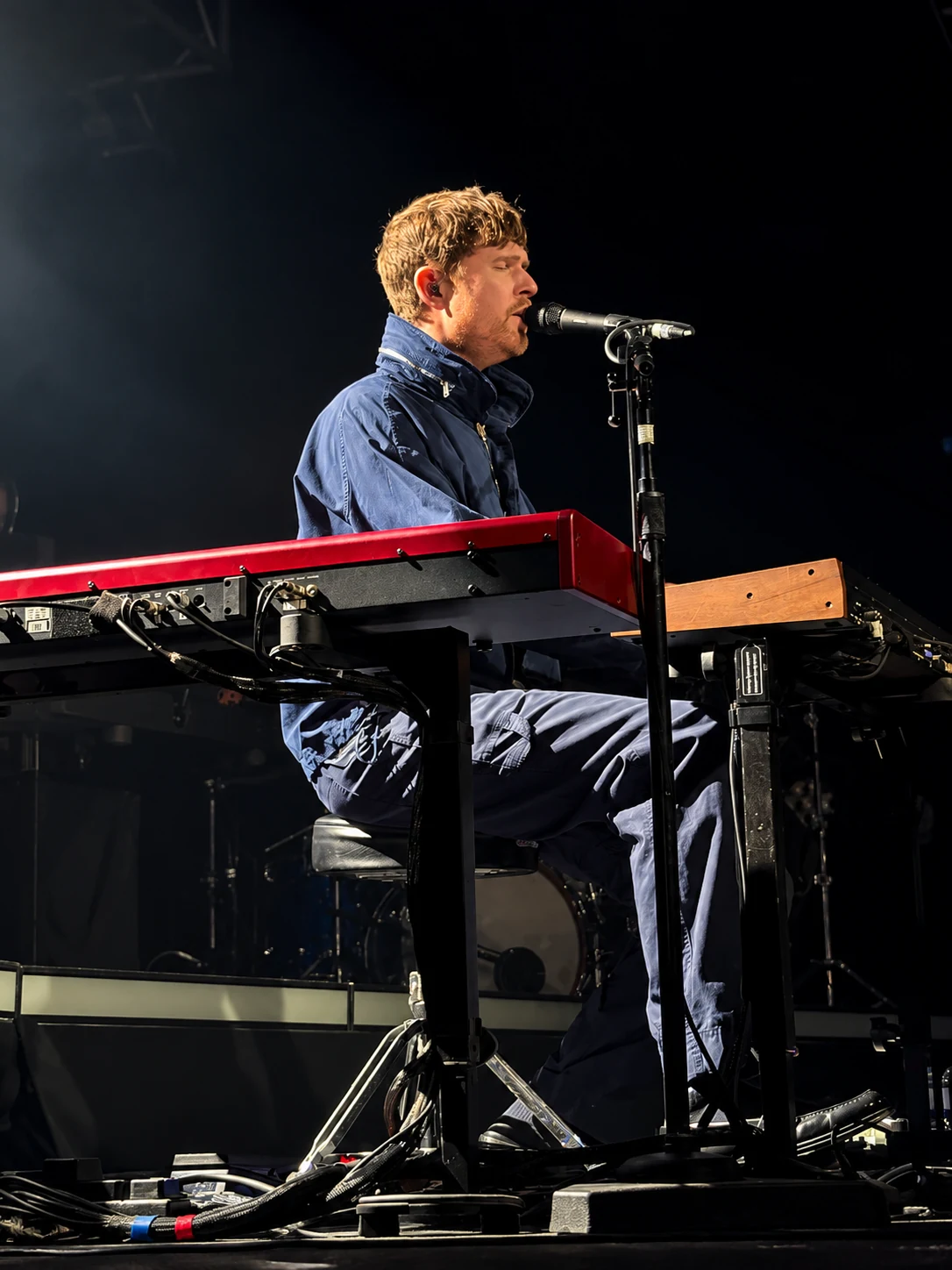
James Blake had O2 Academy Bristol almost completely still. A few minutes later, the bass was rattling through the floor. Across Wednesday night’s show, those shifts between intimacy and physical force became its most compelling feature: the same voice could hold the room over a few piano notes, then sit at the centre of something that felt closer to a club.
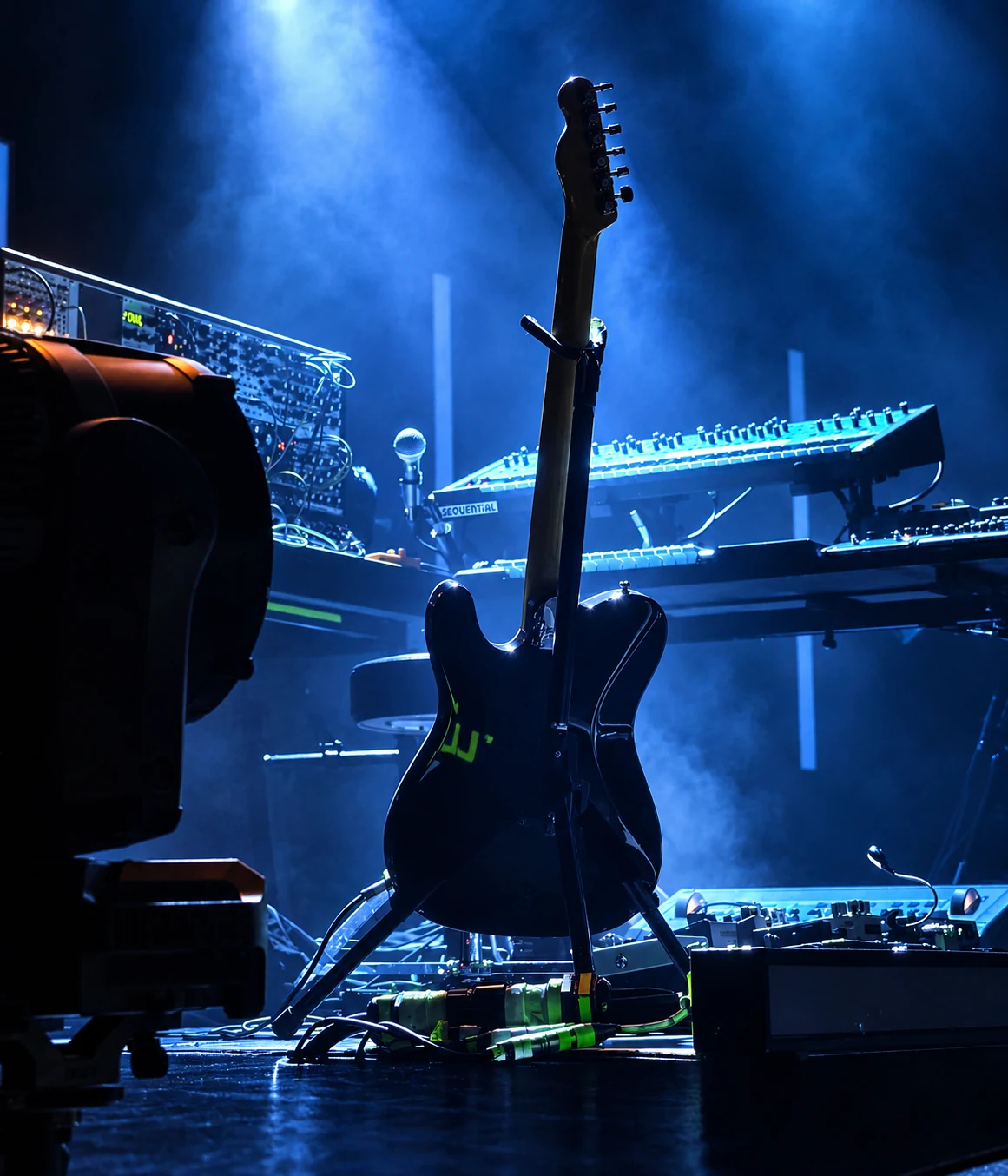
The stage reflected that range. Keyboards and electronics surrounded Blake, a guitar waited in the blue haze, and a tambourine hung from the microphone stand. As the night unfolded, each found its place. First, though, Monica Martin gave the early arrivals plenty to talk about.
Monica Martin makes arriving early worthwhile
Martin was funny, candid and capable of producing a huge vocal seemingly from nowhere. An early operatic finish revealed the reach of her voice; her casual mention of dental surgery around ten days earlier made it more remarkable. Nothing in the performance suggested she was holding back.
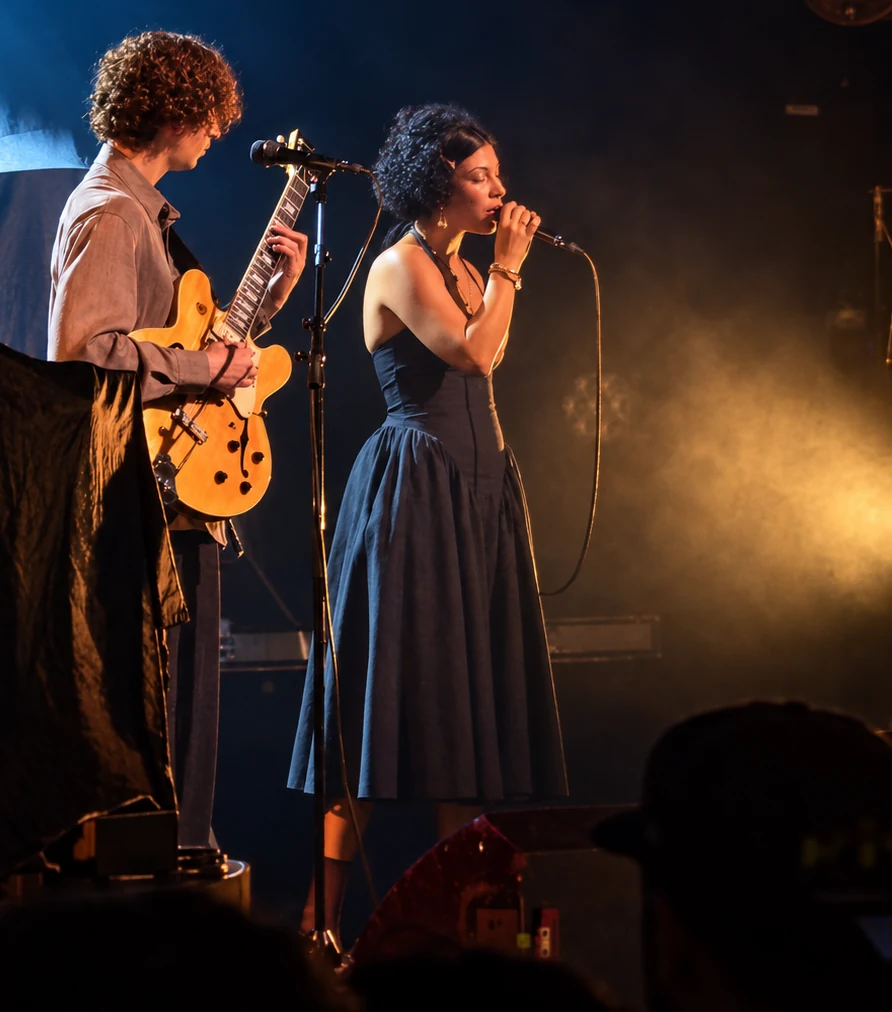
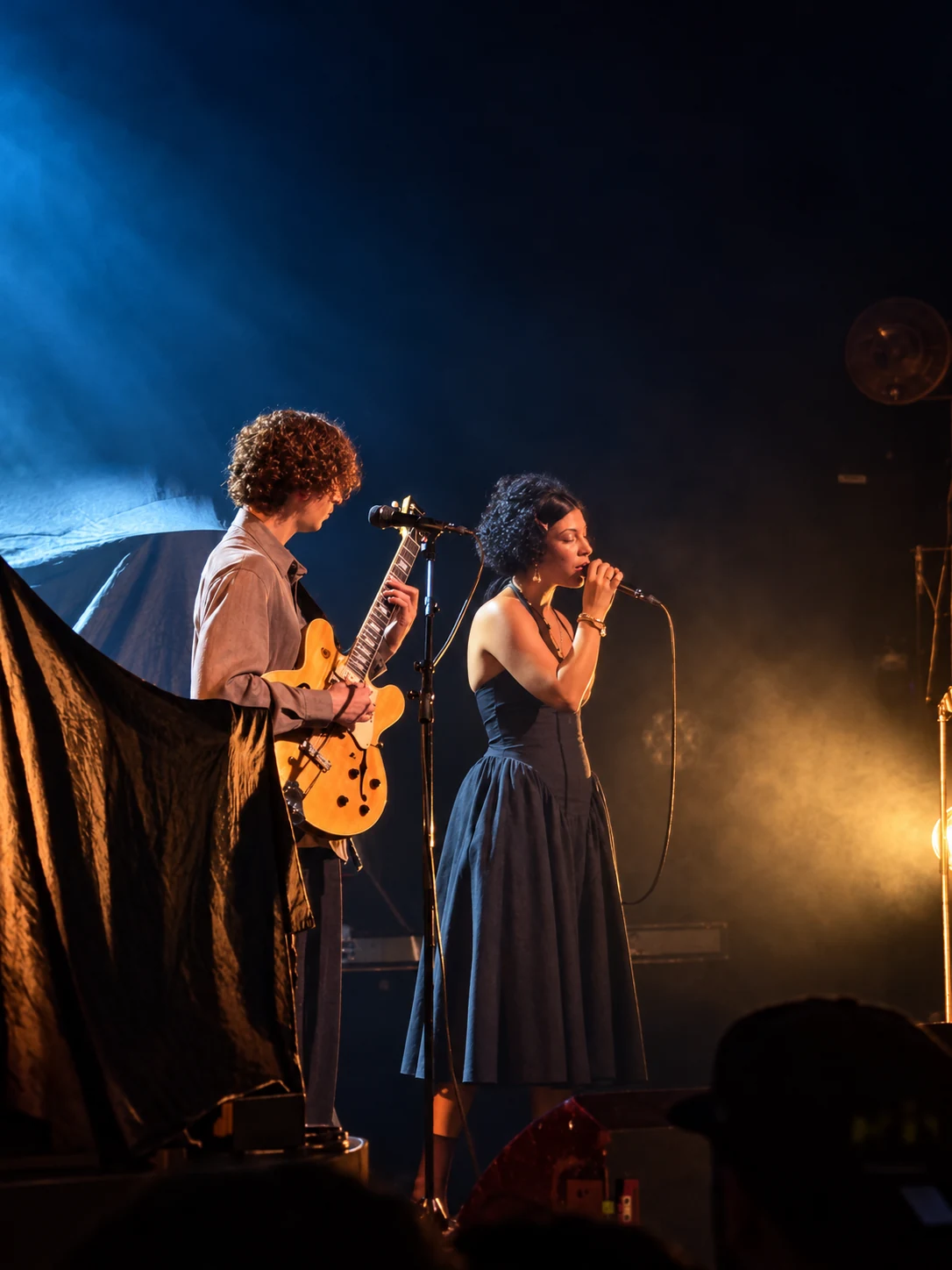
“Why Try to Change Me Now” brought one of the strongest reactions of the opening set. Between songs, Martin’s conversation was part of the appeal: jokes about being terrible at making merch, directions towards her black-cat QR codes and the news that another record is coming next year. Her warmth made the room feel smaller.
Then came a sudden spark from the stage equipment and a small bang. Martin barely paused before carrying on. It was an unexpected interruption to a set that already had our full attention. By the final song, the vocal harmonies were beautiful, and she had made a persuasive case for getting to a gig in time for the support.
From voice and keys to a room full of bass
Blake’s arrival changed the atmosphere immediately. The show drew heavily from Trying Times, released in March through Good Boy Records as his first independent studio album, while moving easily through other periods of his catalogue. The new songs belonged comfortably alongside the older material.
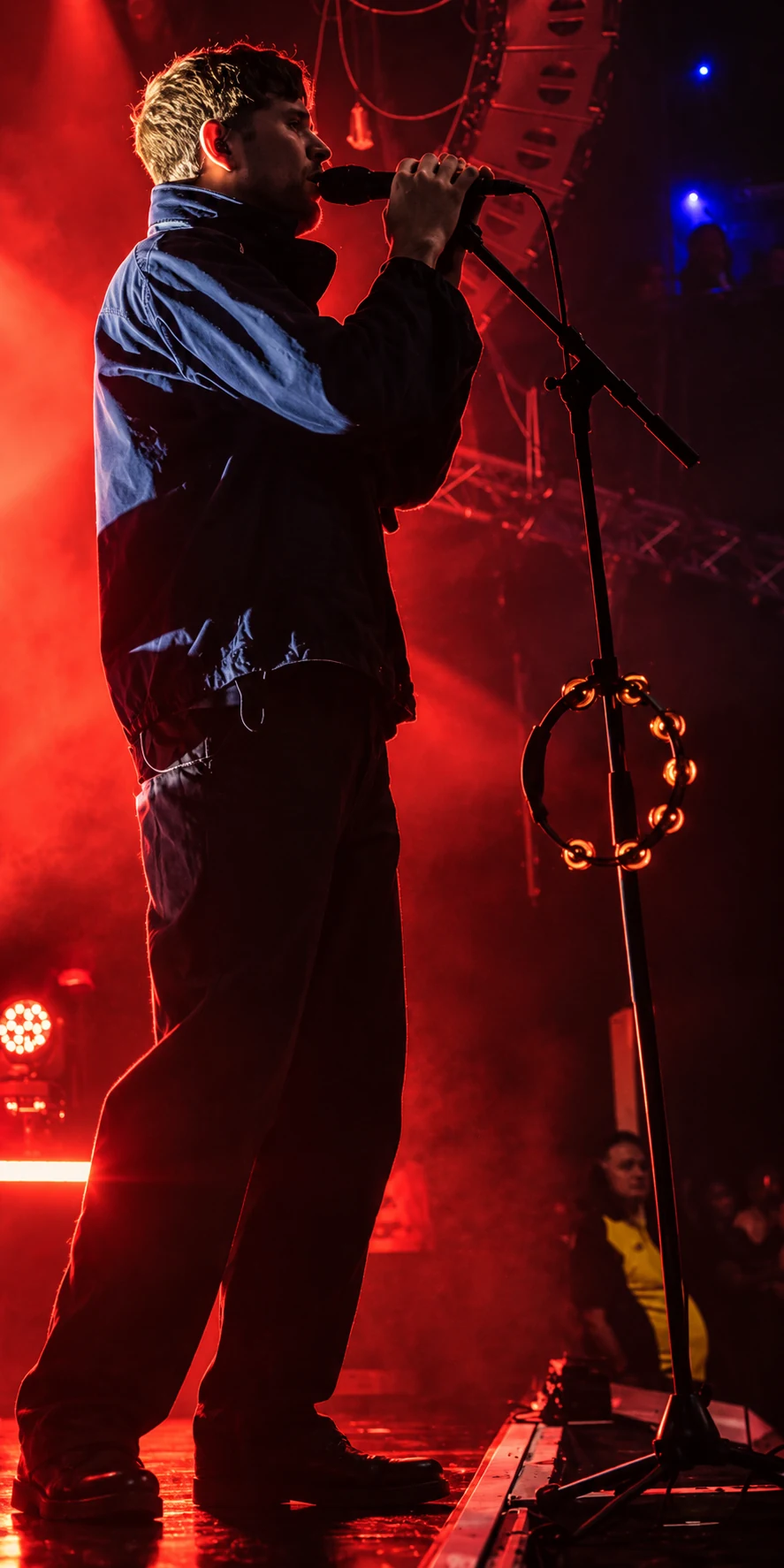
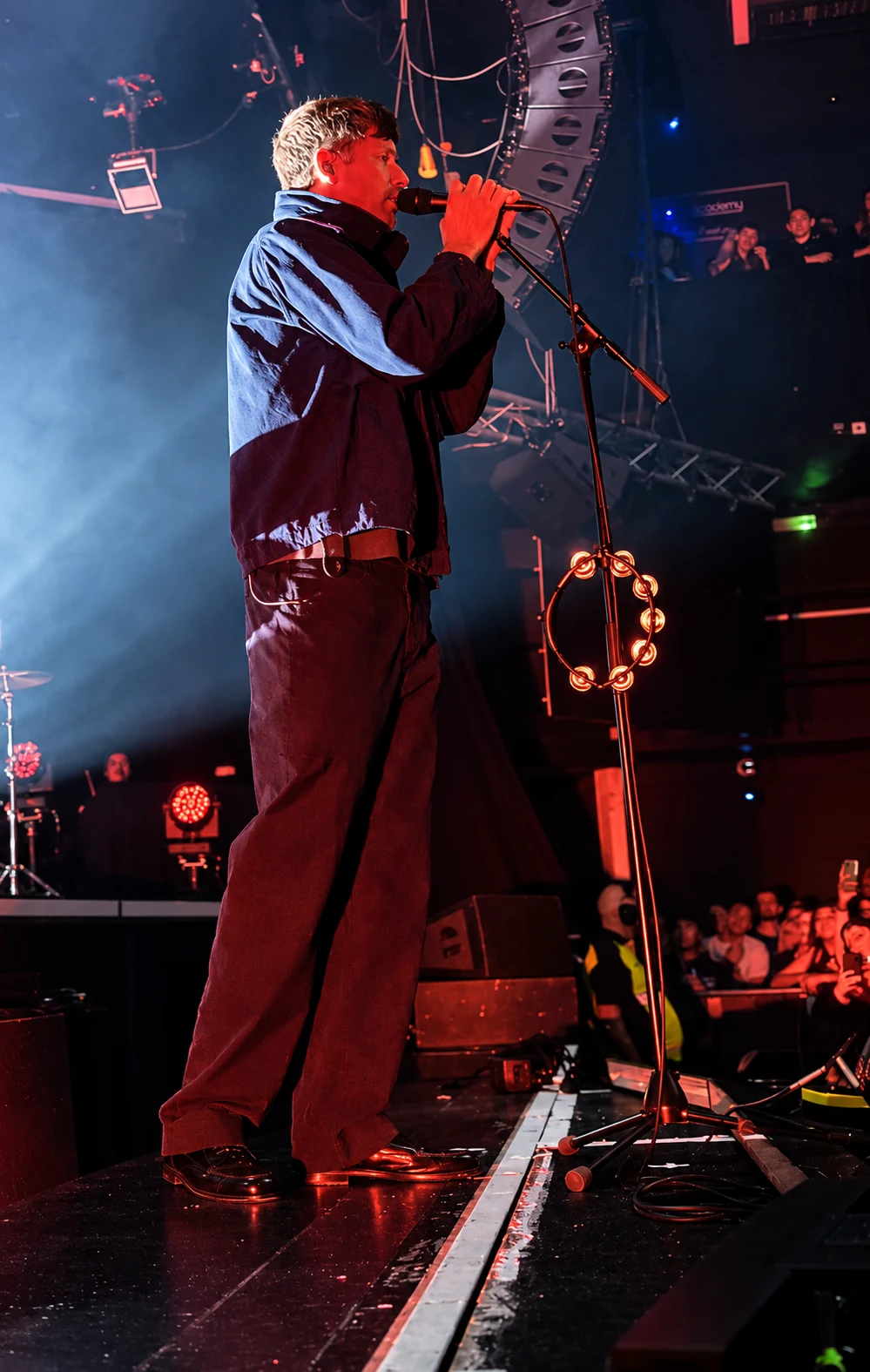
On “I Had a Dream She Took My Hand”, Blake had the audience shouting the repeated “let’s go” refrain. Soon afterwards, the guitar appeared for “Make Something Up”, which landed with far more weight live than we expected. That movement between sounds kept the set interesting: a song could start with voice and keys, then open into low end that seemed to travel through the whole building.
The production gave those changes room to breathe. Red and blue light cut through the haze, and carefully timed shifts reduced Blake to a silhouette. Even when the music grew heavier, the visuals remained restrained enough to keep our attention on the performance.
Four friends making a lot of noise
Blake described the musicians around him as a quartet and, more importantly, as his friends. There was a sense of shared purpose in the way the arrangements developed. Layers were added, stretched and pulled apart in front of us, giving the electronic sections their own live momentum.
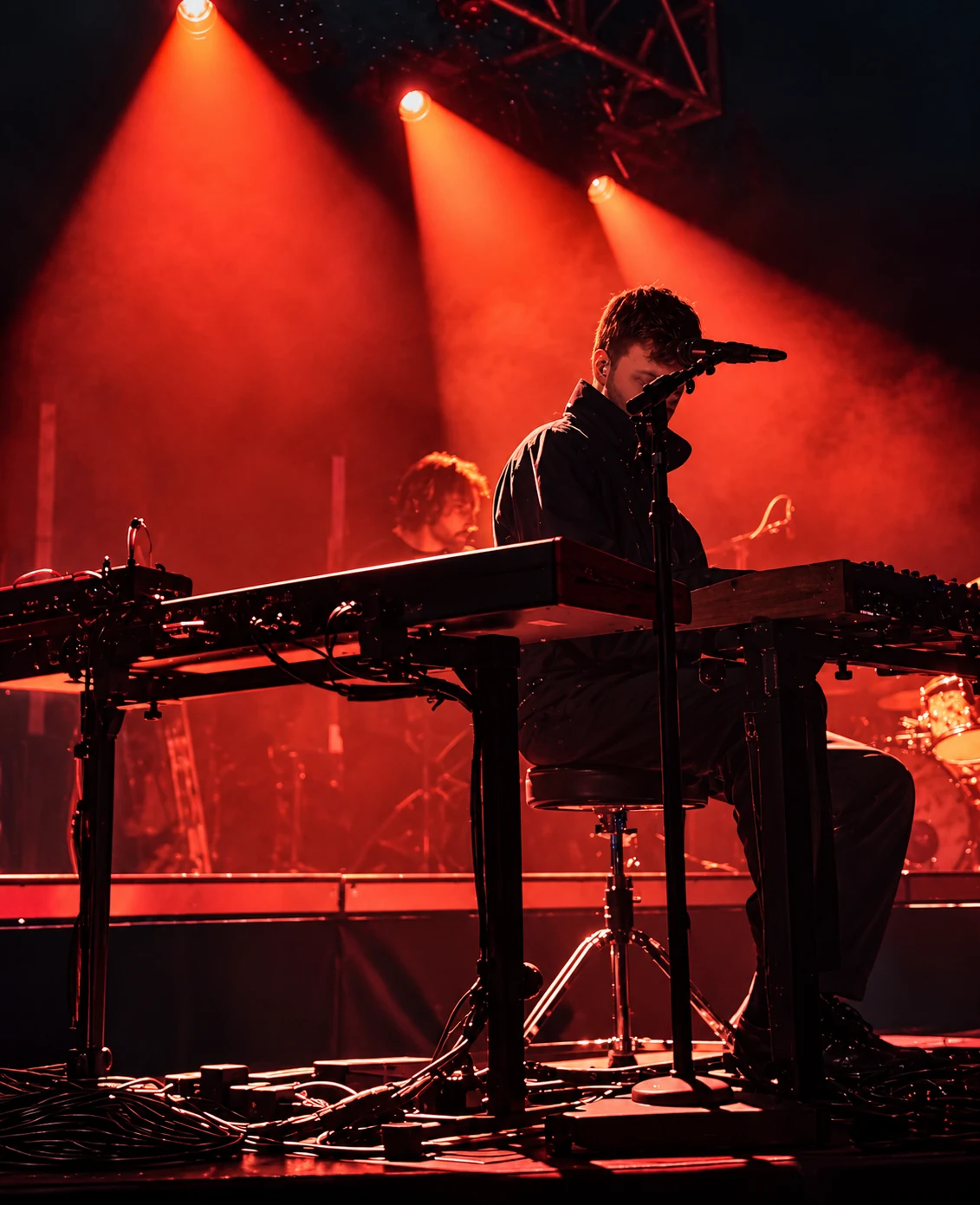
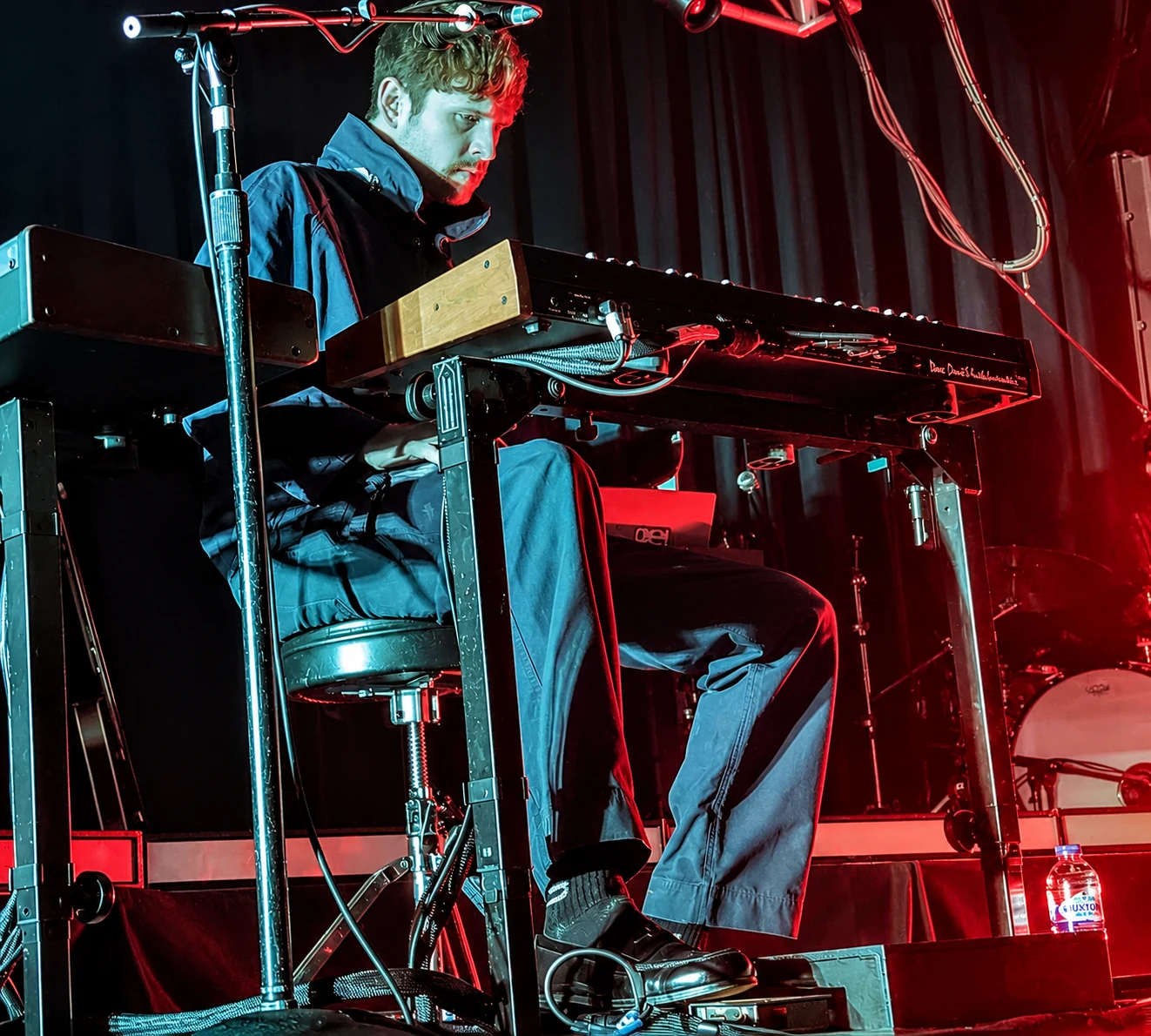
“Doesn’t Just Happen”, which features Dave on the record, became a showcase for warped, resonating keys and the weight of the low end. Later, house rhythms arrived and the drops grew bigger. Blake could move from those passages back to something sparse without making it feel like the evening had changed direction.
The detail that kept making us smile was the mug of mint tea. Blake would reach for it between passages of bass powerful enough to shake the Academy. It was a small, understated presence amid a formidable amount of sound.
The quiet moments carried just as far
Some of the strongest moments came when Blake left space. At times, the room seemed to hang on the gap between one piano note and the next. His voice could make those pauses feel as absorbing as any drop.
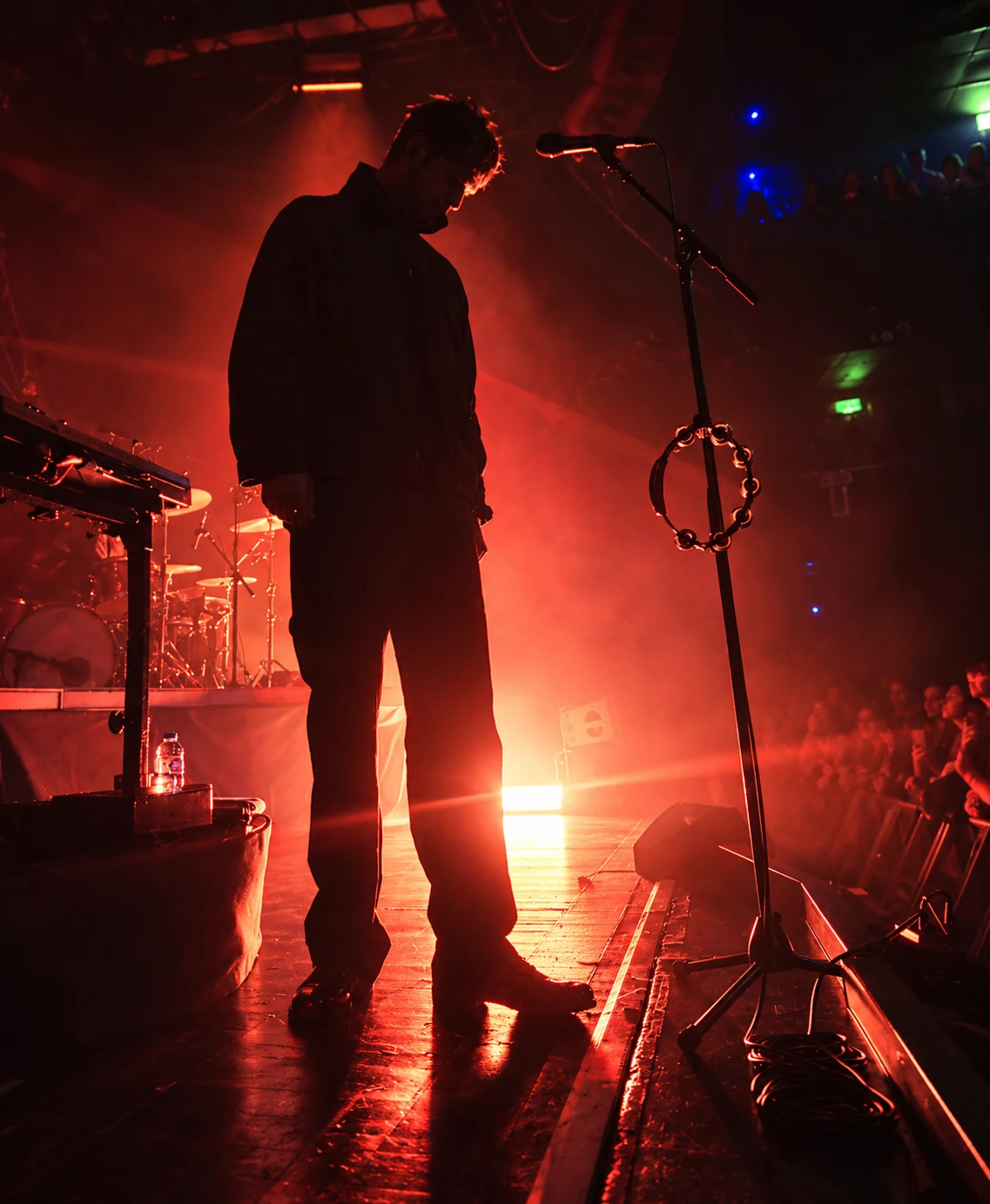
“Limit to Your Love” demonstrated that balance particularly well: close, exposed vocals followed by enough low-frequency pressure to remind us where the subwoofers were. Hearing those extremes together gave each more impact. The quieter passages made us listen harder; the bass made itself felt.
A Bristol connection that goes back to the clubs
Blake told the crowd how much he loves Bristol and recalled DJing here when he was younger. There is a substantial local history behind that affection. In December 2010, before his debut album arrived, he played a Crazylegs night at Basement 45. Five years later, the 1-800-DINOSAUR collective brought its road trip to Lakota, where NME reported that Blake wrapped up his DJ set at 2.20am.
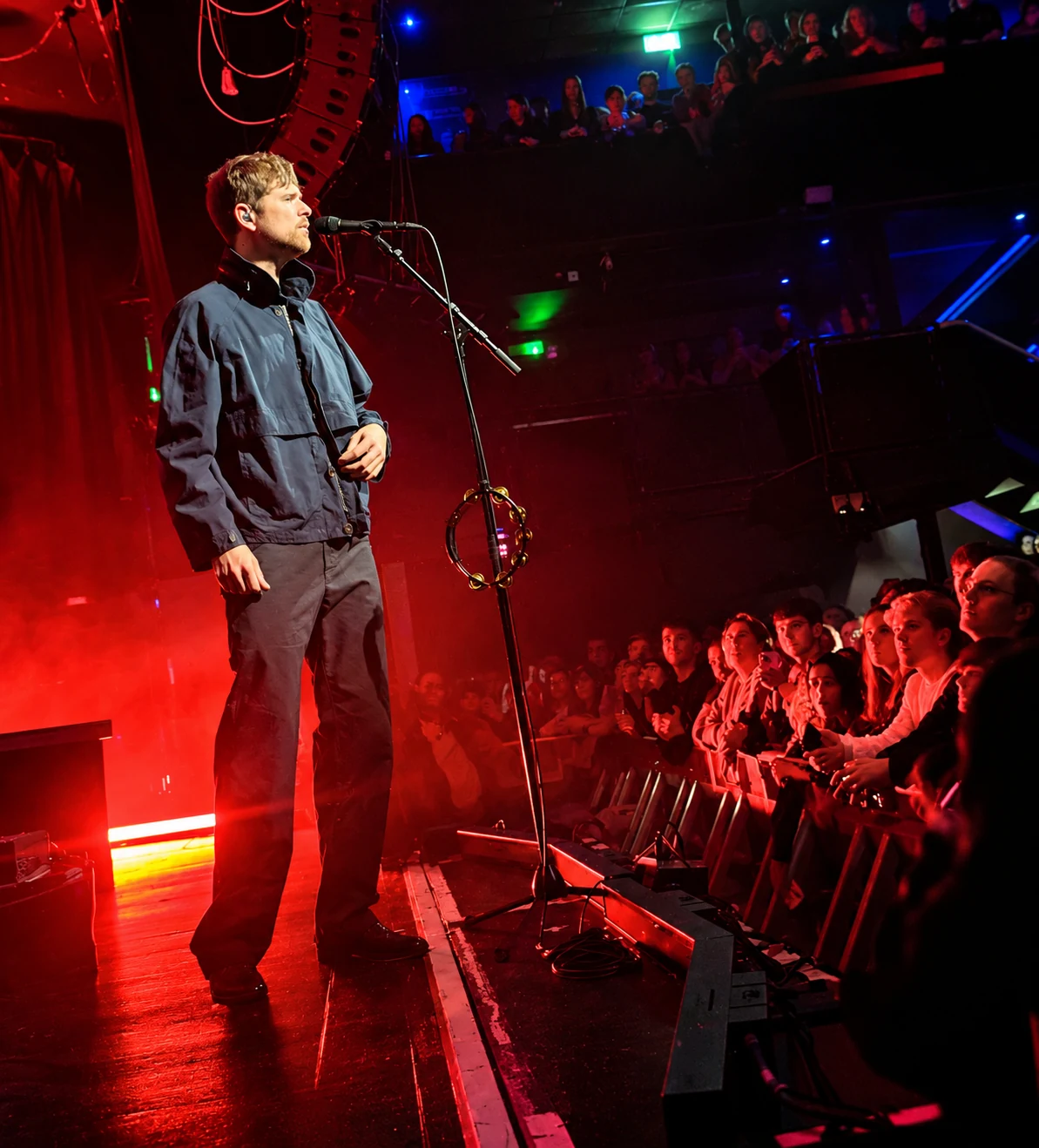
Back at the Academy, those club roots still felt close. The scale and detail of the live show have grown, but the pull towards the dancefloor remains part of what makes Blake such an engaging performer.
Trying Times has a nearby connection too. Much of the album was recorded at Peter Gabriel’s Real World Studios in Box, Wiltshire, near Bath and around 20 miles from Bristol. Blake has spoken about the importance of his recording environment while making the record. Hearing those songs here added another local thread to an evening already shaped by his relationship with the city.
An ending that knew when to pull back
One of our favourite moments came towards the end, when Blake took on The Verve’s “The Drugs Don’t Work”. He stripped it down and rebuilt it around his own musical language: sparse, fragile and slightly strange. A familiar song demanded our attention again.
After the electronics, guitar, percussion and considerable amounts of bass, he eventually reduced everything once more, finishing alone at the keys with “Say What You Will”. No enormous climax was required. James Blake had already shown that he could make O2 Academy Bristol shake whenever he wanted. The more impressive trick was knowing when not to.